Building Trust for Autonomous AI: How SPIFFE Creates Secure Identities for Non-Human Agents
As artificial intelligence systems become more autonomous and operate as independent agents, establishing their identity and trustworthiness is a growing challenge. Traditional identity methods, built for human users with static credentials like passwords, are ill-suited for dynamic, ephemeral, non-human entities such as AI bots, robotic systems, and microservices. The Secure Production Identity Framework For Everyone (SPIFFE) offers a battle-tested, open-standard solution that provides cryptographically verifiable identities tailored for these modern workloads. Below, we explore how SPIFFE works and why it's pivotal for securing agentic AI.
What Is SPIFFE and How Does It Work?
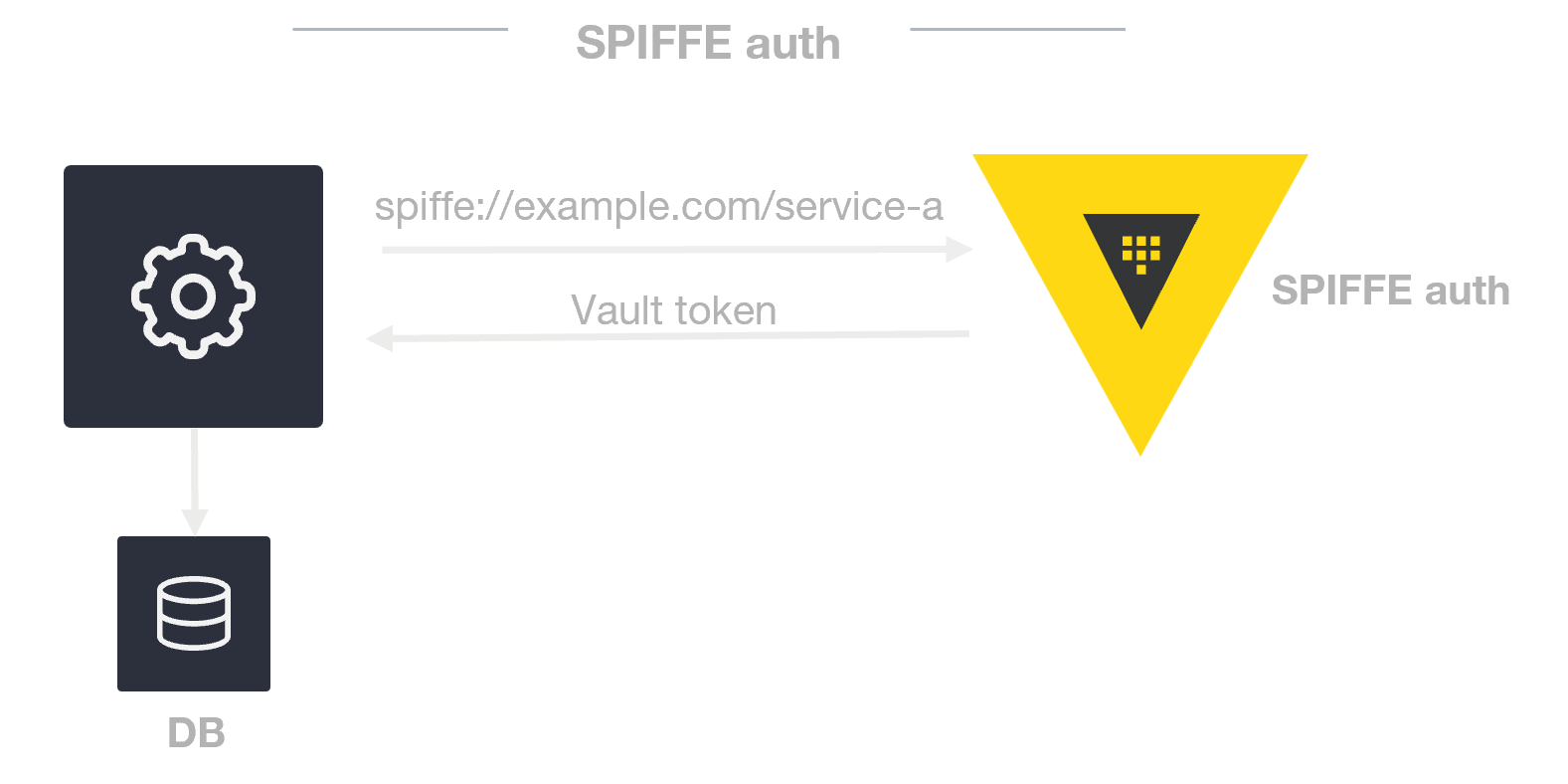
SPIFFE (Secure Production Identity Framework For Everyone) is an open standard that defines a secure identity framework for workloads. Originally designed for microservices in cloud-native environments, it allows every service or process to receive a unique, cryptographically verifiable identifier called a SPIFFE ID. These IDs are tied to the workload itself, not to any human user, making them ideal for non-human actors. At its core, SPIFFE enables three key capabilities: workload identity (each entity gets a unique ID), federated trust (identities can be validated across different organizations and environments), and dynamic credentialing (identities are automatically issued, rotated, and revoked without relying on long-lived secrets like passwords or API keys). This eliminates the risk of credential leaks and ensures secure authentication in fast-changing environments.
Why Is SPIFFE Critical for Agentic AI?
Agentic AI systems—such as autonomous agents, LLM-powered bots, or robotic systems—operate independently, make decisions, and interact with other services or agents across networks. They need to prove their identity, establish trust in multi-agent environments, and operate securely across borders. Traditional identity solutions fall short because they assume human users with persistent credentials. SPIFFE fills this gap by providing a robust foundation for non-human identity. It ensures each AI agent gets a verifiable SPIFFE ID that proves its origin, capabilities, and trust level. This is essential for preventing impersonation and ensuring that only authorized agents can perform sensitive actions, such as modifying traffic systems or accessing financial data.
How Does SPIFFE Support Zero Trust Architecture?
In a zero trust model, no entity—whether human or machine—is trusted by default. Every interaction must be authenticated and authorized. SPIFFE directly supports zero trust by enabling mutual TLS (mTLS) between agents. With SPIFFE, each agent presents its cryptographically signed identity during communication, and the receiving agent validates that identity against a trusted source. This ensures that every interaction is both authenticated and encrypted. For AI-driven systems, this is crucial: it prevents impersonation attacks, man-in-the-middle threats, and unauthorized access. SPIFFE’s dynamic credentialing also aligns with zero trust’s principle of least privilege—identities are short-lived and automatically rotated, minimizing the impact if a credential is ever compromised. By integrating SPIFFE, organizations can build a zero trust architecture that scales to autonomous, non-human actors.
How Does SPIFFE Enable Federation Across Domains?
Agentic AI systems often span multiple clouds, organizations, or network trust domains. For example, an autonomous logistics agent may need to interact with a supplier’s fleet management system across different enterprises. SPIFFE’s federation model allows identities to be validated across trust domains without requiring centralized authority. Each domain operates its own SPIFFE implementation and issues identities, but through federation, domains agree on a common trust bundle. This enables agents from one domain to prove their identity to agents in another domain securely. The process is transparent to the agents themselves: they simply present their SPIFFE ID, and the receiving system can verify it using the federation’s trust bundle. This makes cross-domain collaboration between AI agents practical, secure, and scalable.
What Makes SPIFFE’s Dynamic Identity Lifecycle Ideal for AI Agents?
AI agents are often ephemeral: they can be spun up to handle a task, scale horizontally, and then be decommissioned—all within minutes or even seconds. Traditional static credentials, like API keys, cannot keep pace with this churn and create security risks if not rotated frequently. SPIFFE solves this with a dynamic identity lifecycle. When an agent starts, it automatically requests a SPIFFE identity from a trusted workload API. The identity is issued as a short-lived certificate (typically hours or less) and is automatically rotated before expiration. If an agent is compromised or no longer needed, its identity can be revoked immediately via the SPIFFE API. This approach drastically reduces the attack surface because stolen credentials expire quickly and are useless after revocation. It also eliminates the operational burden of managing secrets manually, which is essential for large-scale, dynamic AI deployments.
Real-World Use Case: AI Agents Managing Smart City Infrastructure
Imagine a swarm of AI agents coordinating to manage a smart city’s infrastructure—traffic lights, energy grids, emergency response systems. Each agent is a distinct workload with unique responsibilities. Using SPIFFE, every agent receives a cryptographically verifiable identity tied to its role (e.g., “traffic-controller-agent”). When agents communicate, they perform mutual TLS using their SPIFFE IDs, ensuring that only authorized agents can send commands to change traffic lights or access grid sensors. If a rogue agent attempts to impersonate a traffic controller, the mTLS handshake fails because it lacks the correct SPIFFE ID. Furthermore, due to SPIFFE’s federation capabilities, agents from different city departments (transport, energy) can collaborate securely even if they belong to separate trust domains. The dynamic identity lifecycle also allows agents to be spun up during emergencies and decommissioned automatically afterward, keeping the system secure and responsive.