Ford Pivots to Grid Storage: New Subsidiary Targets 20 GWh Annual Production
Ford Energy Launches with 20 GWh Annual Battery Storage Goal
Ford Motor Company today officially unveiled Ford Energy, a wholly owned subsidiary focused on manufacturing and selling U.S.-assembled battery energy storage systems (BESS) for utilities, data centers, and large industrial customers. The unit plans to produce 20 gigawatt-hours (GWh) of storage annually from its Kentucky gigafactory.
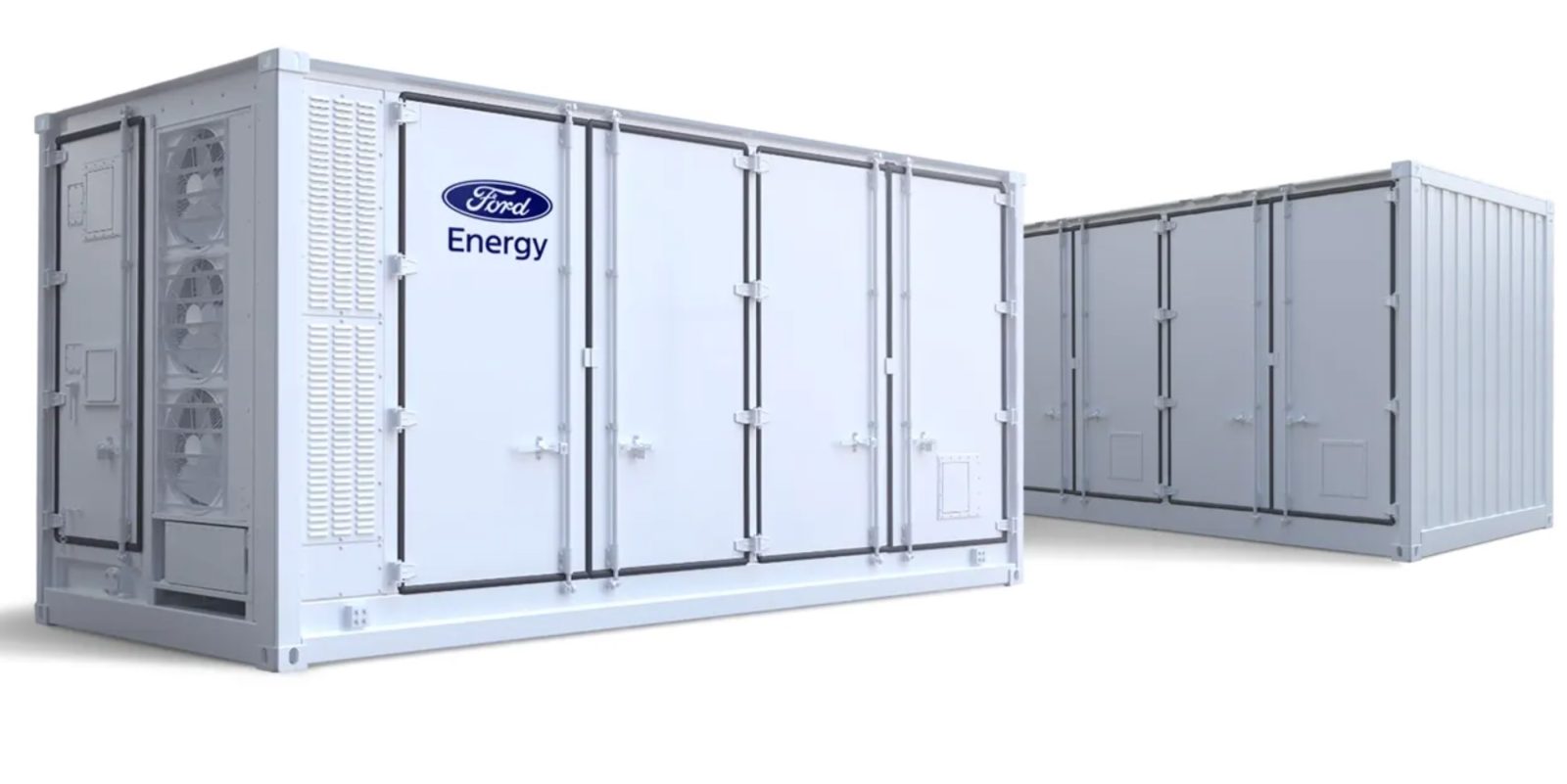
The announcement marks a major strategic shift for the automaker, which has been grappling with overcapacity in its electric vehicle (EV) battery lines. Now, Ford is redirecting those assets toward the booming grid-scale storage market, where demand is surging due to artificial intelligence data centers and renewable energy expansion.
Background
Ford’s pivot comes after months of internal restructuring. The company had originally invested heavily in EV battery production, but slower-than-expected EV adoption left it with excess capacity. Meanwhile, the U.S. energy storage market is projected to grow at a compound annual rate of 25% through 2030, driven by federal incentives and corporate clean-energy commitments.
“This is a textbook example of adaptive manufacturing,” said Dr. Lisa Chen, senior energy analyst at GreenGrid Advisors. “Ford is leveraging its existing battery expertise and factory floor space to serve a market that has immediate, high-margin demand—especially from hyperscale data centers.”
Breaking Down Ford Energy’s Plans
Ford Energy will target three primary customer segments: electric utilities, data center operators, and large industrial facilities. Its BESS products are designed to integrate with renewable energy farms and provide grid resilience during peak demand.
The subsidiary’s initial production run will focus on lithium-iron-phosphate (LFP) battery systems, which are cheaper and longer-lasting than nickel-cobalt chemistries. “We’re not just repurposing EV batteries,” said a Ford spokesperson. “Our energy storage systems are engineered from the ground up for stationary applications—optimized for cycle life and safety.”
What This Means
The launch of Ford Energy signals a broader trend: automotive manufacturers are increasingly treating battery production as a platform, not just a component for vehicles. For Ford, it opens a new revenue stream that could reach billions annually, while reducing the financial risk of EV market volatility.

“Ford’s move validates the energy storage sector as a key industrial transition,” remarked Mark Rivera, CEO of storage analytics firm Volta Labs. “It also pressures competitors like GM and Tesla to accelerate their own stationary storage offerings, especially in the utility-scale segment.”
Critically, Ford Energy’s output of 20 GWh per year would represent roughly 5% of the total U.S. battery storage installations projected for 2025. The subsidiary expects to begin commercial deliveries in Q3 of this year, with pre-orders already secured from two unnamed regional utilities.
Why Utilities and Data Centers Are Driving Demand
Data centers operated by companies like Amazon, Google, and Microsoft are under pressure to run on 24/7 carbon-free power. Battery storage bridges the gap when solar and wind generation dip. Additionally, utilities are deploying storage to defer expensive transmission upgrades.
“The data center industry alone will deploy over 100 GWh of battery storage by 2027,” said Jenna Park, director of energy markets at TechPower Group. “Ford’s entry brings a large, vertically integrated manufacturer to the table—something the market has been lacking.”
Next Steps and Timeline
Ford Energy will operate as a standalone business unit but will leverage Ford’s supply chain and manufacturing talent. The company plans to hire 500 engineers and technicians at its Kentucky facility over the next year.
Analysts expect the subsidiary to be EBITDA-positive within 18 months, given the high margins on utility-scale storage systems. “If Ford executes well, this could become a core pillar of its profitability,” added Dr. Chen.
— Breaking news report; details may be updated.