Huawei's HarmonyOS Reaches 55 Million Devices: Redefining the Mobile OS Landscape
Huawei has steadily emerged as a formidable competitor in the global personal technology arena, challenging the longstanding dominance of Apple and other Western giants. From smartphones and laptops to tablets, the Chinese company now offers products that match the quality and innovation of the best in the industry. This shift is part of a broader trend in China, where domestic software—such as operating systems and databases—has seen a surge in adoption, driven by continuous improvements in user experience and performance.
The Milestone: 55 Million Devices and Counting
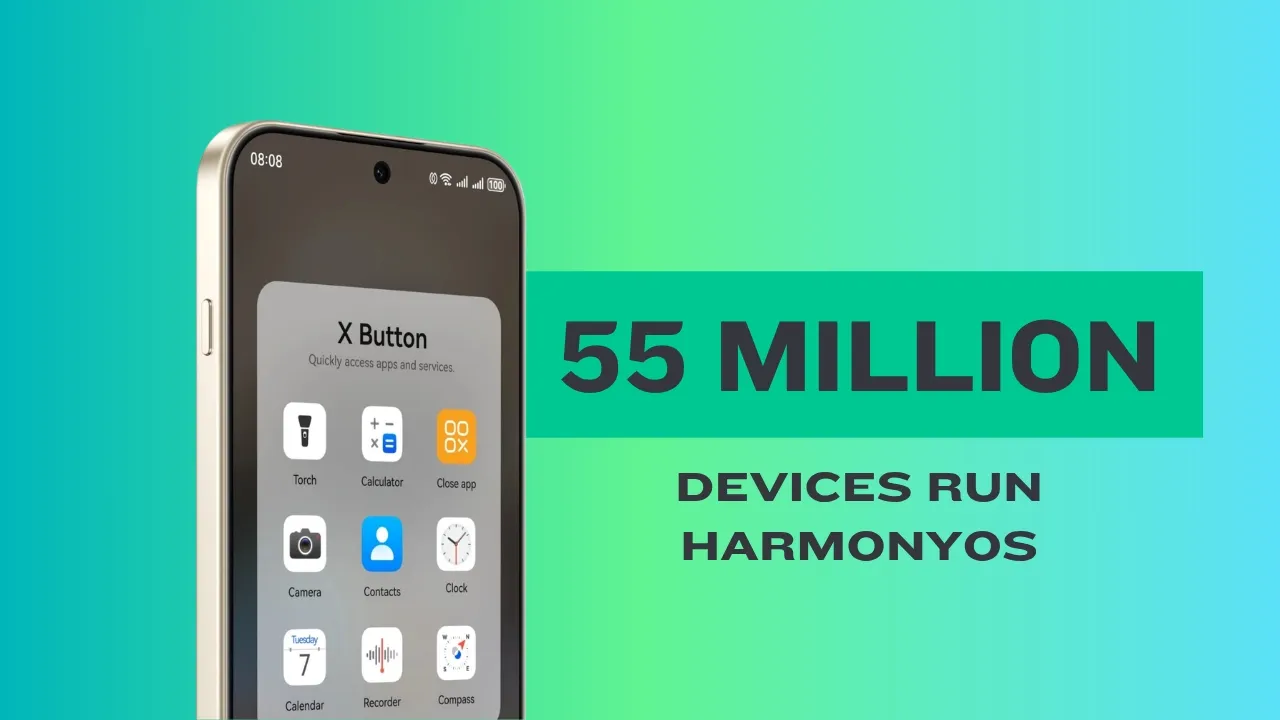
According to Huawei’s Executive Director Yu Chengdong, HarmonyOS had been installed on more than 55 million devices as of the end of March 2026. This marks an increase of 23 million devices in just under six months—a remarkable growth rate that underscores the OS’s rising popularity. Such numbers naturally worry established market leaders who have enjoyed a near-monopoly in the mobile operating system space.
What Drives HarmonyOS Adoption?
The latest iteration, HarmonyOS 6, introduces several key improvements that explain its rapid uptake:
- Fluid Animations: Enhanced visual effects, including lighting and glass-like UI elements, make the interface feel smoother and more responsive.
- Performance Boost via Ark Engine: The Ark engine—handling multimedia and graphics, especially gaming and video—delivers measurable performance gains and better battery life.
- AI-Powered Tools: New AI assistance features, such as intelligent scheduling and one-touch camera controls for depth and focus, simplify everyday tasks.
- StarShield Security Architecture: An AI-driven security framework that strengthens privacy, with anti-scam features and advanced data protection.
- Wider Third-Party App Support: Greater native adaptation of popular apps ensures a seamless ecosystem.
- Affordable Devices: Huawei’s expanding lineup of cost-effective yet feature-rich mobile devices makes the OS accessible to a broader audience.
These elements, combined with a consistent focus on user experience, have fueled HarmonyOS’s success.
Implications for the Open-Source Community
HarmonyOS is built on OpenHarmony, an open-source mobile operating system base similar to Android’s AOSP but independent from it. The mass adoption of HarmonyOS encourages more contributions to the OpenHarmony kernel and spurs growth in related projects like EulerOS. However, the OS remains heavily dependent on proprietary layers—such as the Ark compiler and custom UI elements—which limits its alignment with pure open-source ideals. Additionally, documentation is largely in Chinese, making it less accessible to international developers.
There has been criticism regarding Huawei’s outreach tactics within open-source projects. Some community members have reported unsolicited encouragement to adopt HarmonyOS, which they consider intrusive. Others view it as a pragmatic effort to expand the ecosystem, given Huawei’s need to bring more apps and services into its platform.
A New Challenger in the Mobile OS Market
The emergence of a viable third mobile operating system—challenging the Apple-Google duopoly—is ultimately good news for consumers. Competition drives innovation and keeps prices in check, especially for affordable devices. The 55-million-device milestone demonstrates that there is room beyond iOS and Android for a capable alternative. As Huawei continues to refine HarmonyOS, the future of mobile computing may become more diverse and consumer-friendly.
For a deeper look at the key features driving adoption, or the impact on open-source communities, explore the sections above.