10 Ways Kazakhstan Is Revolutionizing Higher Education with Coursera Partnership
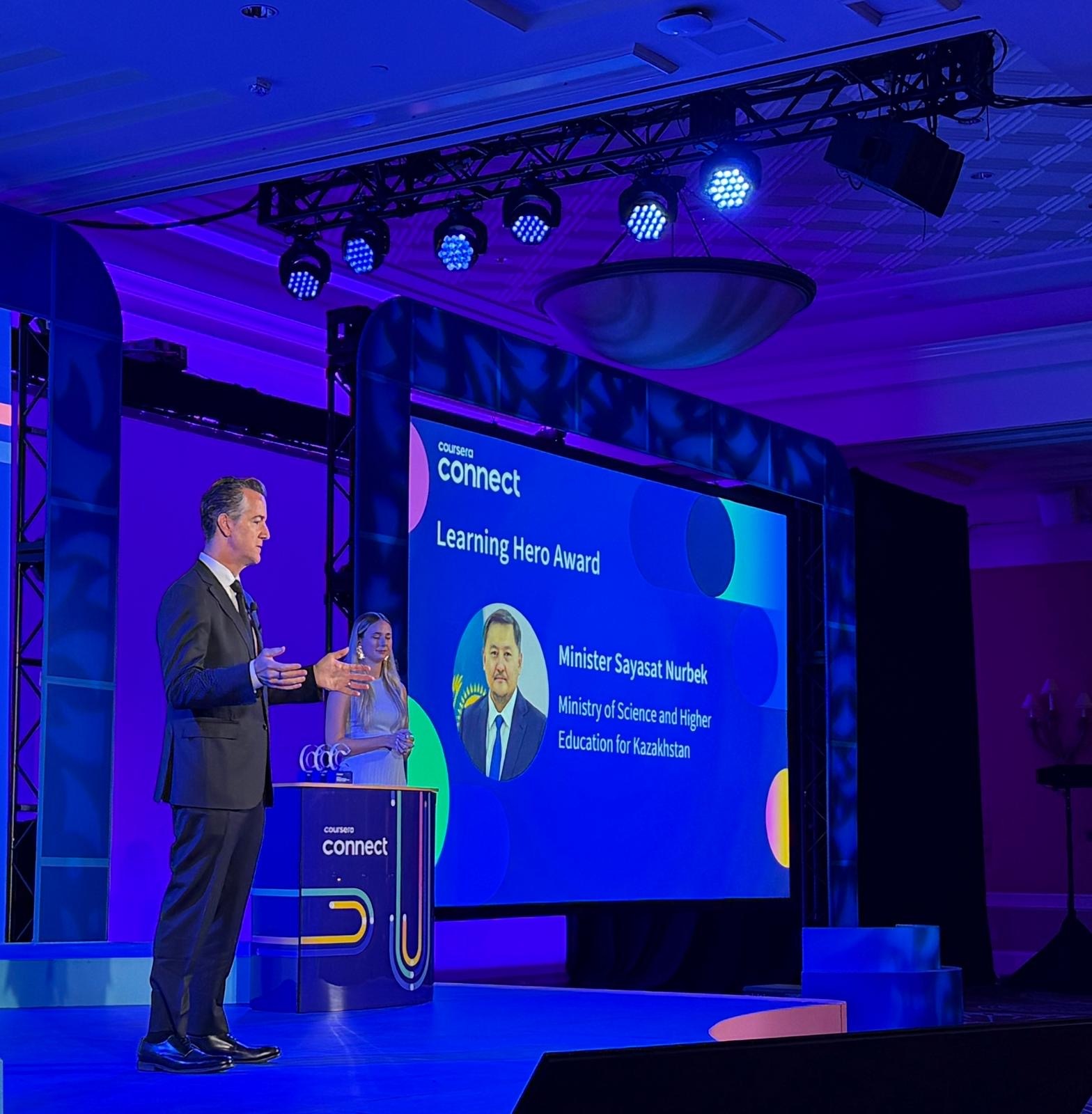
In today’s fast-changing digital landscape, the gap between what students learn and what employers need is shrinking—but only if universities adapt quickly. Kazakhstan’s Ministry of Science and Higher Education has taken a bold step by renewing its partnership with Coursera, the global online learning platform. This collaboration aims to equip tens of thousands of students with future-ready skills, from AI literacy to data science, all while promoting the Kazakh language. Here are 10 key ways this partnership is transforming higher education in Kazakhstan.
1. A Renewed Commitment to World-Class Learning
The renewed agreement between Kazakhstan’s Ministry of Science and Higher Education and Coursera doesn’t just extend an existing relationship—it deepens it. Since 2022, the partnership has already helped over 235,000 students access top-tier courses. Now, it officially integrates for-credit online learning into the country’s higher education system. This means students can earn recognized credentials that count toward their degrees, all while learning from leading universities and companies like Stanford, Google, and IBM. The move signals Kazakhstan’s dedication to preparing its workforce for a global digital economy.
2. Building Critical Skills for the Digital Economy
The partnership focuses on equipping students with human, digital, business, and artificial intelligence skills. These aren’t just trendy buzzwords—they’re essential for thriving in a world where automation and AI are reshaping jobs. By offering courses in data science, cybersecurity, engineering, finance, and more, the initiative ensures graduates have practical, job-ready abilities. Over 500,000 certificates have already been earned through this collaboration, proving that students are actively building the expertise needed for high-demand careers.
3. Modernizing Curricula with 13,500+ Courses
One of the biggest wins for Kazakhstan is access to Coursera’s vast library—more than 13,500 courses from over 375 top-tier universities and companies. This allows the Ministry to modernize higher education curricula without starting from scratch. Courses span everything from humanities to cutting-edge technology, enabling universities to offer up-to-date, relevant content. Students can explore topics like machine learning, public health, or entrepreneurship, all aligned with global standards. This flexibility helps institutions respond quickly to changing job markets.
4. For-Credit Learning with ECTS Transfer
A game-changing aspect of the partnership is that Coursera courses can now be taken for credit. Students who complete job-relevant certifications earn official transferable ECTS credits toward their degrees. This bridges the gap between online learning and traditional academia, making it easier for students to incorporate world-class content into their study plans. It also ensures that the skills they gain are formally recognized, boosting their employability both at home and abroad.
5. Launching the AI-Sana Initiative for AI Literacy
Kazakhstan is making sure no student gets left behind in the AI revolution. Through access to over 1,100 GenAI courses on Coursera, the partnership supports the AI-Sana initiative, which mandates that every graduate acquires foundational AI knowledge. Introductory courses like Google AI Essentials and advanced content from Anthropic’s Claude API provide practical understanding of generative AI and digital ethics. This ensures that even students in fields like art or law are prepared for an AI-driven workplace.
6. Promoting the Kazakh Language in Online Education
Language barriers can limit access to global education, but Kazakhstan is tackling this head-on. As part of the initiative, over 4,000 courses on priority topics—including AI, data science, and machine learning—have been translated into Kazakh. This makes world-class learning available in the national tongue, preserving linguistic identity while equipping students with cutting-edge skills. It’s a powerful step toward inclusive education that respects local culture.
7. Industry-Recognized Certifications in High-Demand Fields
Students aren’t just learning—they’re earning credentials that employers trust. The partnership offers certifications in fields like Data Science, Cybersecurity, AI, Engineering, and Finance. These are developed by industry leaders such as IBM, Google, and Microsoft, so they carry weight in the job market. For Kazakh students, this means a clear pathway to global opportunities. The certifications also help employers identify talent with verified skills, reducing hiring guesswork.
8. A Strategic Partnership Since 2022
Coursera has been a critical skills development partner for Kazakhstan’s Ministry of Science and Higher Education since 2022. Over these years, the collaboration has focused on closing the gap between academic curricula and real-world career demands. It’s not just about providing courses—it’s about creating a system where learning directly translates to employability. The ongoing renewal shows that both sides see this as a long-term investment in the country’s human capital.
9. Reaching Over 235,000 Students
The scale of impact is impressive: more than 235,000 students across Kazakhstan have already participated in the program. This includes learners from over 100 universities, both public and private. By democratizing access to top-tier education, the partnership ensures that students in remote areas or underresourced institutions get the same opportunities as those in major cities. It’s a massive step toward educational equity.
10. Over 500,000 Certificates Earned
To date, students have earned over 500,000 certificates through this collaboration. That’s half a million verified skills—a clear measure of engagement and achievement. These certificates represent not just completion, but tangible progress toward mastering in-demand fields. For Kazakhstan, this is data that the investment is paying off, with a growing pool of skilled graduates ready to drive the digital economy.
Conclusion: Kazakhstan’s renewed partnership with Coursera isn’t just a contract extension—it’s a blueprint for how countries can use online learning to future-proof their workforce. From AI literacy to Kazakh-language content, the initiative touches every aspect of modern education. With over 235,000 students already benefiting and half a million certificates earned, the results speak for themselves. As digital transformation accelerates, such partnerships will become essential for any nation aiming to compete globally. Kazakhstan is leading the way.