AI Infrastructure Stocks: Key Questions for Growth Investors in 2026
As the artificial intelligence revolution accelerates, a handful of companies have become the backbone of the infrastructure powering it. Hyperscalers like Amazon and Alphabet are pouring unprecedented capital into data centers and cloud services, with spending levels that would have seemed unimaginable just two years ago. Their latest quarterly reports confirm that demand remains robust, justifying these massive investments. For growth investors eyeing 2026, understanding the dynamics behind these stocks is crucial. Below, we explore the most pressing questions about AI infrastructure investing.
Why are Amazon and Alphabet considered top AI infrastructure picks?
Amazon and Alphabet sit at the center of the AI infrastructure boom because they own the dominant cloud platforms—Amazon Web Services (AWS) and Google Cloud—which provide the computing power and storage for AI workloads. Their hyperscale data centers are essential for training and deploying large language models and other AI applications. In the first quarter, both companies reported some of their best cloud revenue growth in years, signaling that enterprise adoption of AI is accelerating. Additionally, their massive capital expenditure budgets—Amazon raised its 2025 capex to over $150 billion, and Alphabet to more than $75 billion—are being channeled directly into AI-specific hardware and facilities. This positions them to capture a significant share of the growing demand. For growth investors, the combination of market leadership, strong financials, and a clear multi-year roadmap makes AWS and Google Cloud compelling long-term holdings.
How has hyperscaler capital spending evolved recently?
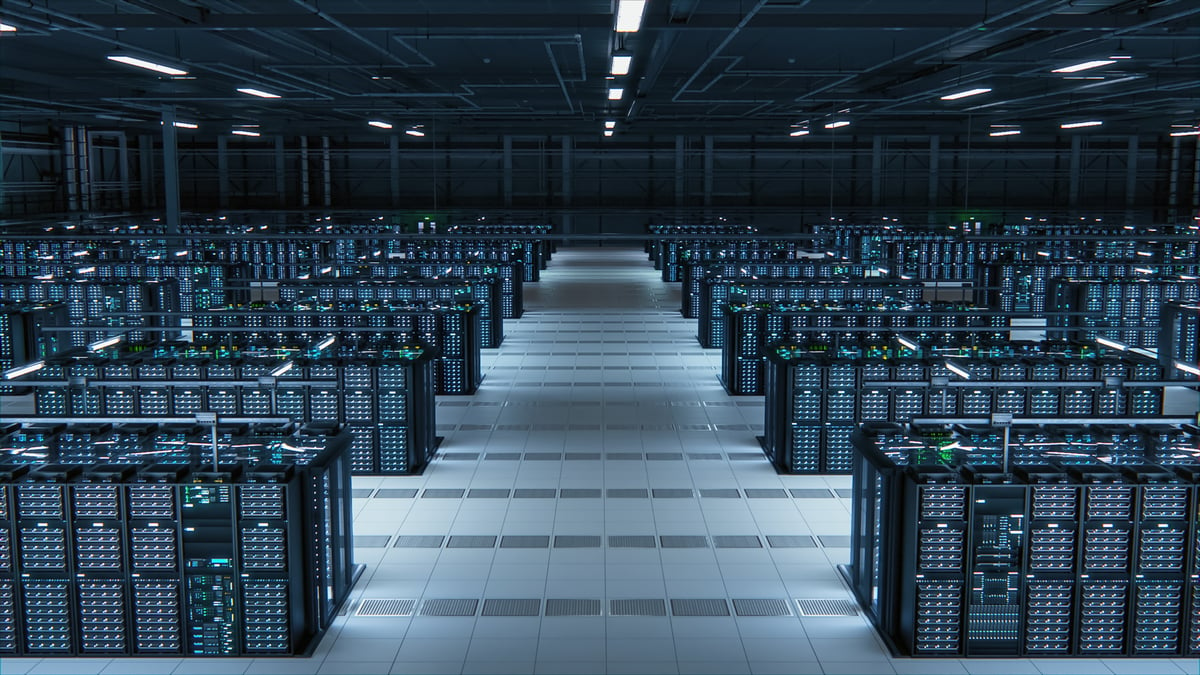
Hyperscaler capital spending has skyrocketed to levels that would have seemed absurd two years ago. In the first quarter of 2025 alone, Amazon and Alphabet each surprised analysts by raising their capital expenditure plans—Amazon now expects to spend over $150 billion annually by 2026, while Alphabet's budget tops $75 billion. This is a direct response to the insatiable demand for AI compute power. The spending is focused on building new data centers, acquiring advanced GPUs (like Nvidia's H100 and Blackwell series), and upgrading network infrastructure. The key takeaway is that this investment isn't a one-time spike; management has described it as a multi-year tailwind that will continue as AI applications scale. For investors, this signals that these companies are betting big on AI's future, and so far, the revenue growth from cloud services is validating those bets.
What does the multi-year tailwind mean for growth investors?
The term "multi-year tailwind" refers to the sustained period of strong demand for AI infrastructure that is expected to last well into the next decade. For growth investors, this means that companies like Amazon and Alphabet could see consistent revenue and earnings growth from their cloud divisions. Historically, hyperscaler capital spending has followed a boom-bust cycle, but the current environment is different because AI is not a single application—it's a platform that powers everything from generative AI to autonomous systems. Management at both Amazon and Alphabet have emphasized that the build-out is still in early stages, with many enterprise customers just beginning their AI transformations. This suggests that the revenue streams from AI cloud services will expand for years, providing a compounding effect for patient investors. However, it also means that near-term margins may be compressed due to heavy upfront investment, so investors should focus on long-term potential rather than quarterly fluctuations.
How do cloud revenue trends support these investments?
The strongest validation of the massive capital spending comes from cloud revenue growth. In the first quarter, Amazon's AWS reported a 22% year-over-year increase in revenue, and Alphabet's Google Cloud grew 26%—both exceeding analyst expectations. These figures represent some of the best cloud numbers these companies have posted in years, driven almost entirely by AI workloads. Enterprise customers are migrating to the cloud to access AI services like Amazon Bedrock and Google Vertex AI, which require substantial computing resources. The data shows that demand is not slowing down; instead, it's accelerating as more businesses deploy AI capabilities. For investors, this revenue growth directly correlates with the capex being invested, creating a virtuous cycle: more spending enables better AI services, which attract more customers, generating higher revenue. This dynamic is exactly what growth investors look for—a clear demand-supply alignment that supports continued expansion.

What risks should investors monitor?
While the opportunity is significant, there are risks that growth investors must keep an eye on. The most immediate is capital spending overrun—if demand slows or competition intensifies, the billions poured into infrastructure could become a drag on profits. Another risk is regulatory scrutiny, especially around data privacy and antitrust issues, which could impact how these companies monetize AI. Additionally, the rapid pace of technological change means that today's cutting-edge hardware could be obsolete quickly, forcing further spending. There's also the possibility of a macroeconomic downturn that reduces corporate IT budgets. Finally, competition from other hyperscalers like Microsoft Azure and emerging players could erode market share. Investors should diversify their portfolios and monitor quarterly earnings calls for signs of slowing cloud growth or cautious management commentary about capex returns.
Are there other AI infrastructure stocks to consider?
Yes, while Amazon and Alphabet are the most prominent, several other companies offer exposure to AI infrastructure. Microsoft (via Azure) is a direct competitor and has strong partnerships with OpenAI. Nvidia is the dominant supplier of GPUs used in AI training, though its stock is more tied to hardware sales cycles. Equinix and Digital Realty provide data center real estate investment trusts (REITs) that lease space to hyperscalers. Broadcom and Marvell Technology design custom chips and networking solutions for AI data centers. However, for pure-play infrastructure growth, Amazon and Alphabet offer a unique combination of cloud dominance, massive capex, and diversified revenue streams. Investors should evaluate each based on their risk tolerance and investment horizon, but the two giants remain the most direct bets on the multi-year AI tailwind.