Space Pneumonia Research Reveals Heart Health Insights
The International Space Station is helping scientists understand how the bacteria behind pneumonia can damage the heart. By studying stem cell-derived heart tissues in microgravity, researchers aim to uncover why infections become more severe in space and what that means for human health on Earth and during deep-space missions. Below, we answer key questions about this groundbreaking work.
What is the MVP Cell-09 investigation?
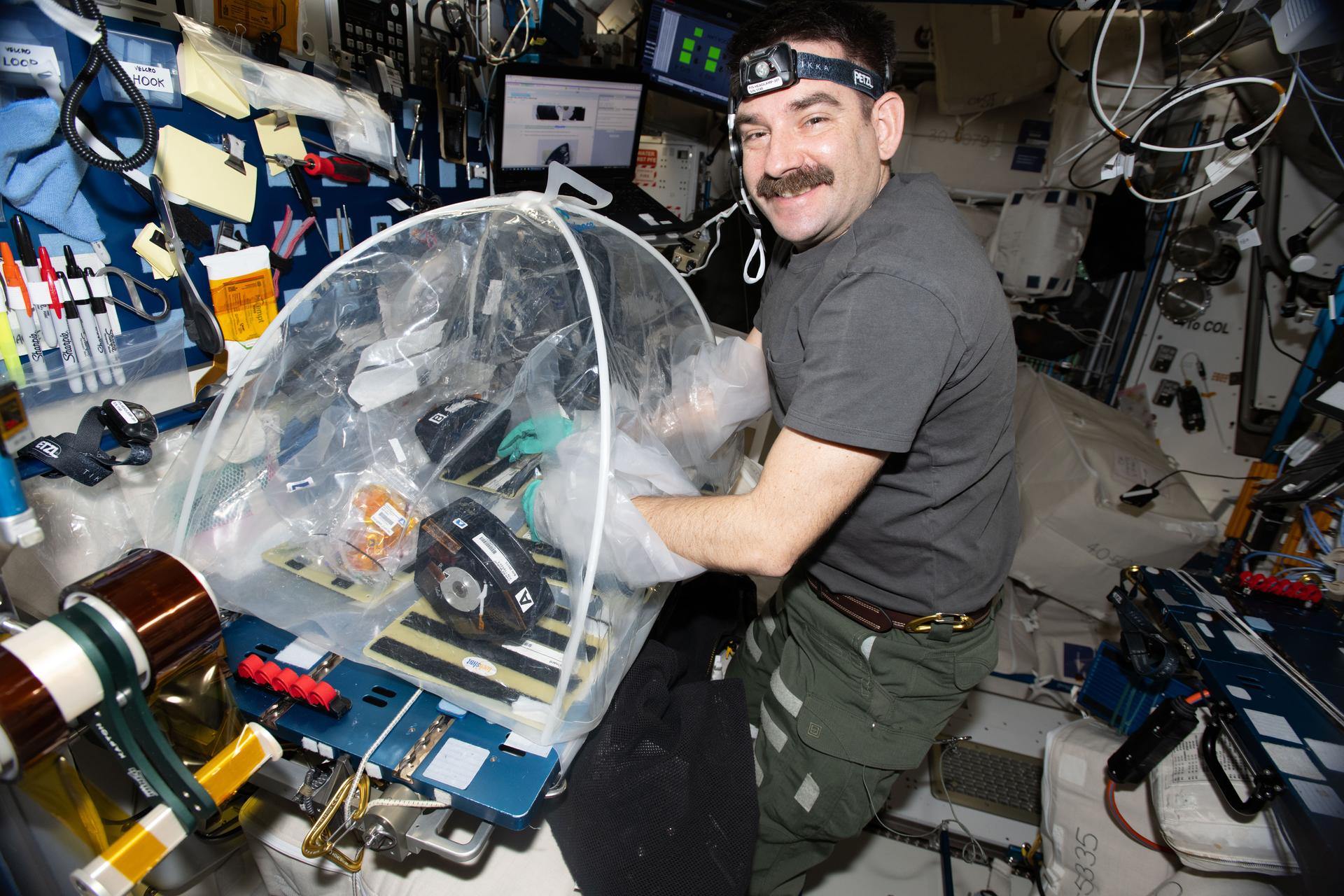
MVP Cell-09 is a NASA-backed experiment running aboard the International Space Station. It uses special hardware—like a portable glovebag—to grow and study heart tissue models made from stem cells. Astronauts expose these tissues to Streptococcus pneumoniae, a bacterium that causes community-acquired pneumonia. The goal is to observe how infection alters heart cells in microgravity, where bacteria tend to behave differently than on Earth.
Why study pneumonia in space when we can study it on Earth?
In space, bacteria become more aggressive and resistant to drugs. This enhanced virulence is a problem for astronaut health, but it also gives scientists a powerful tool. By exaggerating the infection, researchers can spot subtle changes in heart cells that would be hard to detect in normal gravity. Dr. Palaniappan Sethu of the University of Alabama at Birmingham explains that space helps create a clear separation between infected and healthy tissues, making it easier to identify factors that drive bacterial harm.
How does microgravity affect the pneumonia bacteria?
Spaceflight alters bacterial stress responses, boosting their ability to cause disease and resist antibiotics. The exact mechanisms are still under study, but microgravity seems to change how bacteria form biofilms, exchange genetic material, and express virulence genes. These changes allow Streptococcus pneumoniae to attack heart cells more aggressively, mimicking worst-case scenarios that can unlock clues for Earth-based treatments.
What are the heart risks from pneumonia on Earth?
Community-acquired pneumonia is a deadly infection, killing millions each year. Alarmingly, more than one-quarter of adults hospitalized for it develop new or worsened heart problems, and survivors face elevated cardiovascular risks long after the infection clears. This long-term heart damage is poorly understood, but space research may reveal why pneumonia can leave lasting marks on the heart even when the bacteria are gone.
How do researchers use stem cell heart tissues in space?
Scientists create tiny, beating heart muscle models from stem cells and send them to the space station. Once there, they infect these tissues with Streptococcus pneumoniae inside a special glovebag. The microgravity environment lets researchers watch cellular responses unfold in real time, measuring changes in contraction, inflammation, and cell death. This approach avoids the complexity of whole-body experiments and focuses on the heart's direct reaction.

What does this mean for heart disease treatment on Earth?
By identifying the factors that make bacterial infections more severe in space, researchers hope to pinpoint new drug targets. The insights could lead to therapies that prevent or repair heart damage after pneumonia. Dr. Carlos J. Orihuela, a University of Alabama at Birmingham microbiologist, emphasizes that the space station allows a unique viewpoint—combining microgravity with advanced tissue models to speed up discoveries that would take years on Earth.
How will this research support future deep-space missions?
Long-duration trips to the Moon or Mars will expose astronauts to higher risks from infection. The space station has hosted human health studies for over 25 years, and this pneumonia-heart experiment is part of building strategies to keep crews healthy. Understanding how spaceflight alters disease progress will help develop countermeasures, from targeted drugs to diagnostic tools, ensuring safe and sustainable habitation beyond Earth.
Who is leading this study and what are the next steps?
The project is a collaboration between the University of Alabama at Birmingham and Redwire Space, with support from NASA's Expedition 74 crew. Preflight tests have validated the heart tissue models, and now ongoing experiments on the ISS are collecting data. Next, researchers will compare results with Earth-based controls, looking for the most promising targets for future medicines. They also plan to test different bacterial strains and potential therapies aboard the station.