The Anatomy of a Social Engineering Attack: Lessons from the Scattered Spider Case
Overview
In the summer of 2022, a sprawling cybercrime ring dubbed "Scattered Spider" orchestrated a series of devastating social engineering attacks that netted tens of millions of dollars in cryptocurrency. One of its senior members, Tyler Robert Buchanan — known online as "Tylerb" — was a 24-year-old British national from Dundee, Scotland, who recently pleaded guilty to wire fraud conspiracy and aggravated identity theft. This tutorial dissects the group's modus operandi, from SMS phishing to SIM swapping, and highlights the legal consequences that followed. By understanding how these attacks unfolded, security professionals and everyday users can better defend against similar threats.

Prerequisites
Before diving into the step-by-step breakdown, you should have a basic awareness of:
- Phishing techniques (especially SMS-based or "smishing")
- SIM swapping attacks and their impact on two-factor authentication
- The role of cryptocurrency in cybercrime
- Basic legal terminology (wire fraud, identity theft, conspiracy)
No advanced coding skills are required, but familiarity with how domain registration and IP address tracking works will be helpful.
Step-by-Step: The Scattered Spider Attack Cycle
The attack chain used by Buchanan and his accomplices can be broken down into five distinct phases. Each phase relied on social engineering and technical exploitation.
1. Reconnaissance and Target Selection
Scattered Spider focused on large technology companies (Twilio, LastPass, DoorDash, Mailchimp) and individual cryptocurrency investors. They likely collected email addresses, phone numbers, and employee names from public sources or prior breaches.
2. SMS Phishing Campaign
In 2022, the group launched tens of thousands of SMS-based phishing messages. These texts impersonated IT help desks or service providers, urging recipients to click a link and enter credentials. Buchanan admitted to registering numerous phishing domains using the same username and email address, which later helped FBI investigators trace the activity to him. For example, a typical phishing SMS might read: "Alert: Your account has been compromised. Verify immediately at [malicious link]."
3. Credential Harvesting and Account Takeover
Once users entered their login details on the fake page, the group captured them and immediately used them to access corporate systems or personal accounts. They often impersonated employees or contractors to trick help desks into resetting passwords or granting elevated privileges. This allowed them to steal data from the compromised companies.
4. SIM Swapping for Cryptocurrency Theft
Using stolen personal information, Scattered Spider initiated unauthorized SIM swaps. They contacted mobile carriers, fraudulently transferred targets' phone numbers to SIM cards under their control, and intercepted SMS-based one-time passcodes. With these codes, they reset passwords on cryptocurrency exchanges and drained wallets. Buchanan admitted to stealing at least $8 million in virtual currency from U.S. victims alone.
5. Money Laundering and Evasion
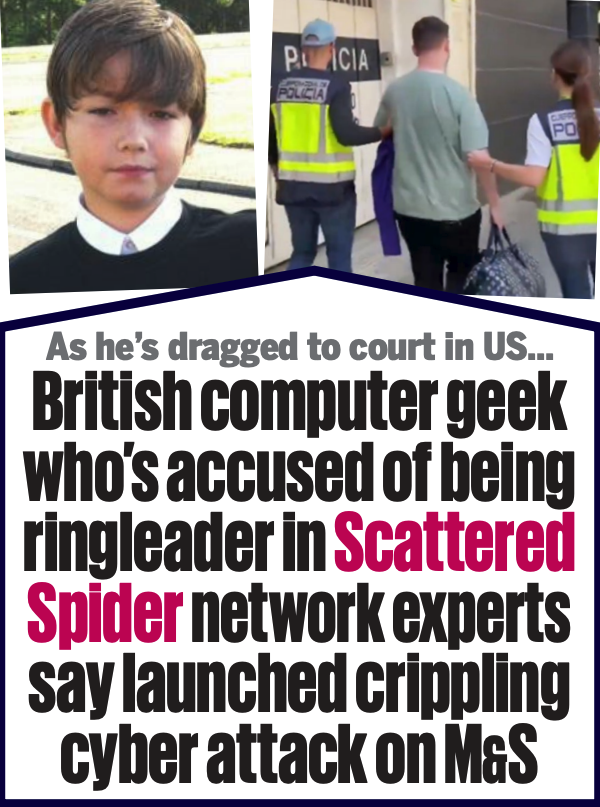
The stolen cryptocurrency was quickly moved through mixers and exchanges to obscure the trail. Buchanan fled the U.K. in February 2023 after a rival gang attacked his home and threatened his family. He was later detained by Spanish airport authorities and extradited to the U.S., where he now faces more than 20 years in prison.
Common Mistakes
Attacker Mistakes
- Reusing usernames and email addresses: Buchanan used the same credentials to register phishing domains, allowing investigators to tie him to the campaign via IP address logs from NameCheap.
- Overlooking physical security: The group's criminal lifestyle attracted violent retaliation from rivals, ultimately forcing Buchanan to flee and making him vulnerable to capture.
- Underestimating law enforcement coordination: The FBI worked with Scottish police and telecommunication providers to trace the attacker's home IP address, showing that international collaboration can dismantle cybercrime rings.
Victim Mistakes
- Clicking links in unsolicited SMS messages: Many victims trusted the sender ID even when the message appeared urgent or official.
- Relying solely on SMS-based two-factor authentication: SIM swapping renders SMS codes useless. Use authenticator apps or hardware keys instead.
- Not verifying identity through a secondary channel: If you receive a password reset request or security alert via text, contact the service provider directly using a known phone number or website.
Summary
The case of Tyler "Tylerb" Buchanan and Scattered Spider underscores the power of social engineering in the digital age. A well-crafted SMS phishing campaign, combined with SIM swapping, allowed the group to steal millions from corporations and individuals. However, operational security failures — such as reusing accounts and provoking criminals — led to Buchanan's downfall. For defenders, the key takeaways are: strengthen multi-factor authentication, educate users about smishing, and maintain vigilance even after a breach is contained.