Inside the xAI Antitrust Suit: Apple's Craig Federighi Drawn into App Store Ranking Dispute
In August 2025, Elon Musk's artificial intelligence company xAI filed an antitrust lawsuit against Apple and OpenAI, alleging that a secret partnership between the two tech giants unfairly manipulates App Store rankings. At the heart of the case is the claim that Apple's search algorithms deliberately bury xAI's chatbot Grok—and by extension X (formerly Twitter)—in favor of OpenAI's ChatGPT. As the legal battle escalates, Apple's Senior Vice President of Software Engineering, Craig Federighi, has been subpoenaed to testify, while CEO Tim Cook remains notably absent from the proceedings. Below, we break down the key questions surrounding this high-stakes lawsuit.
1. Who is Craig Federighi and why is he being dragged into this lawsuit?
Craig Federighi is Apple's Senior Vice President of Software Engineering, overseeing iOS, macOS, and the App Store's technical infrastructure. His involvement stems from xAI's accusation that Apple's App Store ranking algorithms are biased. As the executive responsible for the software that powers the App Store, Federighi is considered a critical witness who can shed light on how rankings are calculated and whether Apple gave preferential treatment to ChatGPT, a product from its partner OpenAI. Legal documents indicate that Federighi's deposition will focus on internal communications and engineering decisions related to app discoverability. Interestingly, CEO Tim Cook has not been called to testify, likely because day-to-day App Store operations fall under Federighi's domain, not Cook's strategic purview.
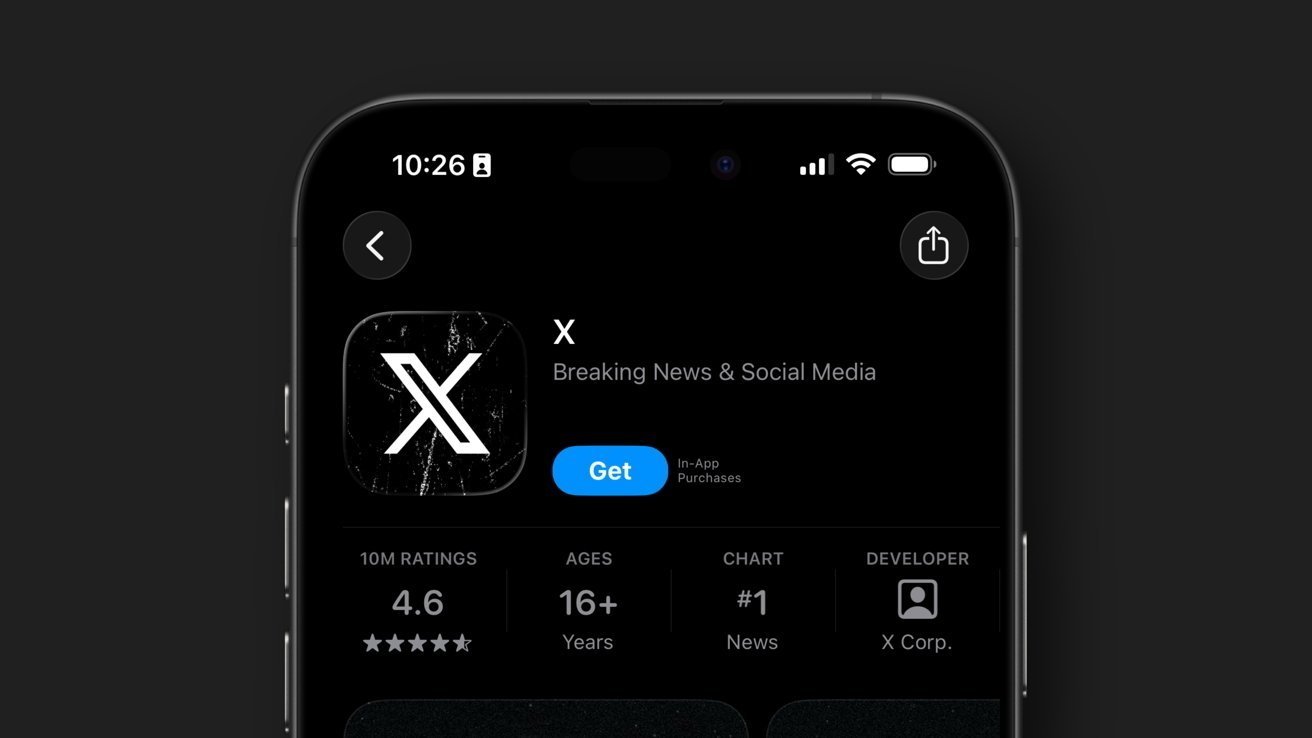
2. What exactly did Elon Musk's xAI allege in the lawsuit?
xAI's complaint, filed in August 2025, accuses Apple and OpenAI of colluding to manipulate App Store search results and rankings. Specifically, xAI claims that Apple's algorithms systematically demoted Grok—the flagship AI assistant of xAI and X—while elevating ChatGPT to the top positions for relevant queries. The lawsuit asserts that this constitutes anticompetitive behavior, violating antitrust laws by leveraging Apple's dominant platform to stifle competition. Musk's legal team argues that Apple's partnership with OpenAI creates a conflict of interest, as Apple not only promotes OpenAI's apps but also integrates ChatGPT into its own operating system (e.g., Siri integration). xAI seeks damages and an injunction requiring Apple to make its ranking algorithms transparent and impartial.
3. How does Apple's partnership with OpenAI factor into the case?
Apple and OpenAI announced a strategic partnership in early 2025, which included plans to embed ChatGPT features into iOS, iPadOS, and macOS. Under the deal, OpenAI gained premium placement in the App Store and deeper integration with Apple's ecosystem, while Apple received access to cutting-edge AI for its own services. xAI argues that this arrangement gave OpenAI an unfair competitive advantage over rivals like Grok. For instance, when users search for "AI chatbot" on the App Store, ChatGPT appears at the top, while Grok is buried several pages down. The lawsuit claims that Apple's ranking system was deliberately tweaked to favor its business partner, effectively creating a walled garden that excludes third-party AI assistants like Grok.
4. Why isn't Tim Cook involved in the legal proceedings?
According to court filings, xAI's legal team chose not to subpoena Apple CEO Tim Cook because the allegations center on technical implementation rather than high-level corporate strategy. Craig Federighi, as the head of software engineering, is the executive most knowledgeable about the App Store's search algorithms and ranking criteria. Cook typically focuses on broad business decisions, such as partnerships and product roadmaps, but does not involve himself in the daily operations of app rankings. Furthermore, Apple's internal hierarchy designates Federighi as the ultimate authority on App Store policies, making him the natural deponent. This strategic decision by xAI's lawyers aims to extract detailed technical testimony rather than general strategic justifications.

5. What evidence does xAI have to support claims of biased rankings?
xAI's complaint cites several pieces of evidence, including internal Apple documents leaked by whistleblowers, which allegedly show engineers discussing ways to "optimize" rankings for OpenAI apps. Additionally, the lawsuit references automated tests conducted by xAI that compared search results for generic terms like "chatbot" and "AI assistant" before and after the Apple-OpenAI partnership. The tests reportedly show a sharp decline in Grok's visibility starting in early 2025, while ChatGPT's position remained stable or improved. xAI also points to a significant drop in organic downloads for Grok following the partnership announcement, correlating with the alleged ranking changes. Apple has denied any wrongdoing, stating that its algorithms are based on user engagement metrics and relevance, not partnerships.
6. What are the potential implications of this lawsuit for the App Store?
If xAI prevails, the court could force Apple to overhaul its App Store ranking system, potentially requiring algorithmic transparency and third-party audits. This would mark a significant shift in how the world's most valuable app marketplace operates, affecting not just AI chatbots but all app categories. Developers might gain clearer insights into why certain apps rank higher, reducing Apple's discretion. Conversely, a win for Apple would reaffirm its control over the App Store's discoverability mechanisms, setting a precedent that partnerships do not inherently constitute anticompetitive behavior. The case also has broader antitrust implications, as it tests whether platform owners can favor their own products or those of close partners without violating competition laws. Observers expect the trial to last into 2026, with potential appeals reaching the Supreme Court.