Ethiopia's Bold Move: Driving Africa's Electric Vehicle Revolution
Overview
In a move that stunned the global automotive industry, Ethiopia banned the import of conventional gasoline and diesel cars two years ago. At the time, skeptics doubted the policy's feasibility in a developing nation with limited infrastructure. Yet today, that bold decision is celebrated as a resounding success, positioning Ethiopia as a leader in Africa's electric vehicle (EV) revolution. This article delves into the policy's journey, the challenges overcome, and the lessons it offers for the continent.
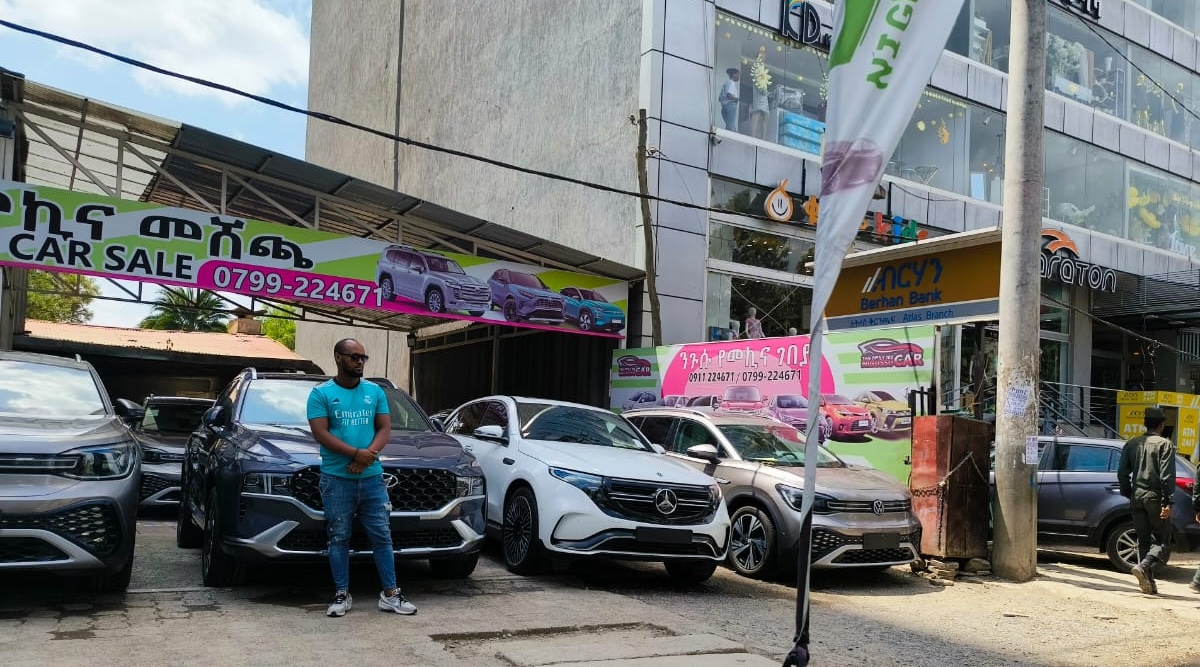
The Surprising Decision to Ban Gasoline Cars
When the Ethiopian government announced the ban on internal combustion engine (ICE) vehicle imports in 2023, reactions ranged from disbelief to outright criticism. Critics pointed to the country's underdeveloped charging network, high EV costs, and unreliable electricity grid. How could a nation with one of the lowest vehicle ownership rates in the world suddenly leapfrog to electric mobility? But the policy proved its doubters wrong.
Why Ethiopia Took the Leap
Ethiopia's motivations were multifaceted. The country spends billions of dollars annually on fuel imports, straining foreign reserves. Shifting to EVs offers energy independence by leveraging the nation's abundant hydropower. Additionally, reducing urban air pollution—a growing health crisis in cities like Addis Ababa—was a key driver. The government saw an opportunity to bypass the fossil fuel era entirely.
How Ethiopia Achieved Success Against the Odds
Two years on, the policy's impact is undeniable. EV adoption has surged, with thousands of electric taxis, buses, and private vehicles now on Ethiopian roads. The government didn't just ban ICE cars; it implemented a comprehensive ecosystem to support the transition.
Building Charging Infrastructure
One of the biggest early hurdles was the lack of charging stations. Ethiopia responded by fast-tracking a national charging network. Partnerships with Chinese EV manufacturers and local utilities established hundreds of public chargers in major cities and along key highways. Fast-charging stations now allow drivers to recharge in under an hour, addressing range anxiety.
Attracting EV Manufacturers
Ethiopia also courted global EV makers to set up local assembly plants. Chinese companies like BYD and Geely have established factories, producing affordable models tailored to African conditions. These plants not only supply the domestic market but also export to neighboring countries, boosting the economy and creating jobs.
Government Incentives and Policy
The ban was paired with generous incentives: tax exemptions on imported EV components, reduced registration fees, and subsidized electricity for charging. The government also prioritized EVs for public transport, converting thousands of minibuses to electric and offering low-interest loans to taxi operators. This top-down approach accelerated adoption.
Impact on Africa's EV Landscape
Ethiopia's success has inspired other African nations. Kenya, Rwanda, and South Africa are now drafting similar policies. The Ethiopian model demonstrates that regulatory boldness can overcome infrastructure gaps. Moreover, the country's use of renewable energy for charging makes its EV fleet among the greenest on the continent. As detailed earlier, the results speak for themselves: reduced fuel imports, cleaner air, and a growing green industry.
Lessons for Other African Nations
Ethiopia's journey offers several takeaways:
- Political will is essential. A decisive ban sent a clear market signal.
- Infrastructure must follow policy, not precede it. Governments cannot wait for perfect conditions.
- Incentives matter—tax breaks and subsidies lower the barrier for consumers.
- Local assembly reduces costs and creates jobs, making EVs more accessible.
The Road Ahead
Despite the success, challenges remain. Grid reliability still needs improvement, and battery recycling infrastructure is nascent. However, Ethiopia plans to expand EV adoption to rural areas and introduce electric two-wheelers—a popular mode of transport. The country aims for 100% EV sales by 2030, a target that now seems achievable.
In just two years, Ethiopia has gone from being laughed at to being lauded. The country's experiment proves that Africa can lead the global EV transition, not just follow. As other nations watch, the lesson is clear: sometimes the boldest policies yield the greatest rewards.