Behind the Purple Haze: How McDonald's Navigated the Grimace Shake Viral Horror Trend
Introduction
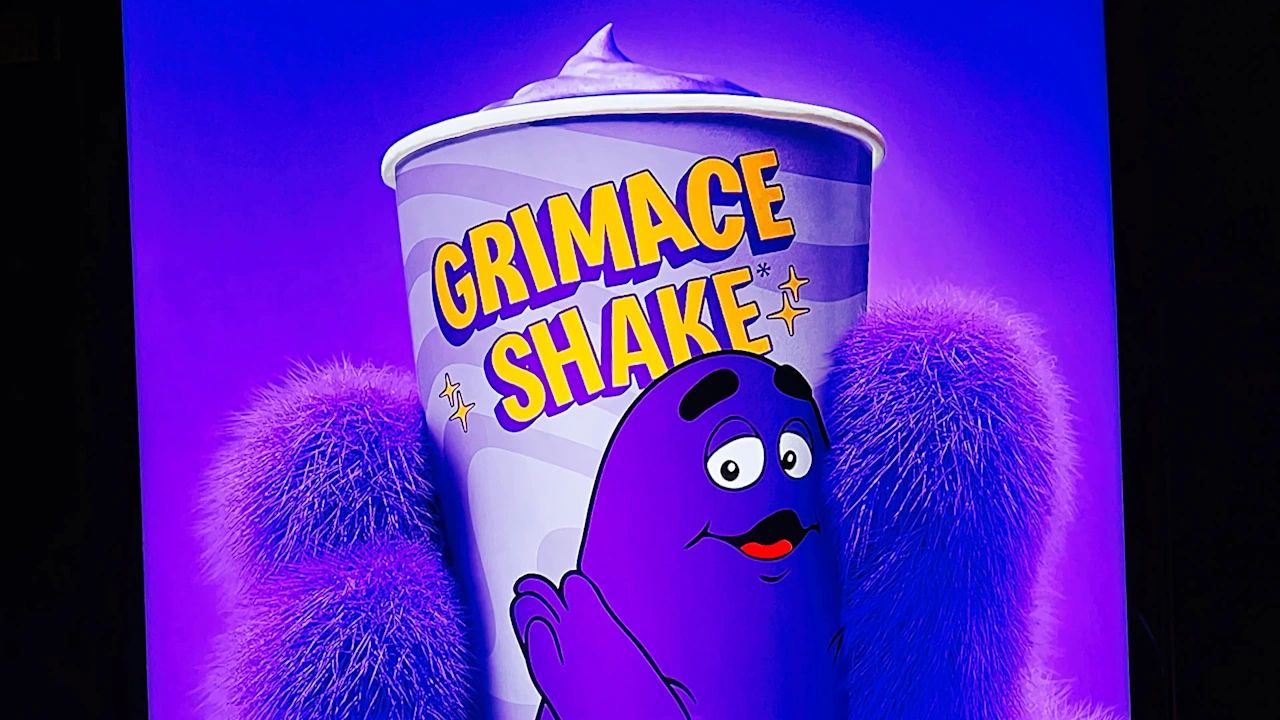
In the summer of 2023, TikTok users were captivated by a peculiar trend that turned a beloved fast-food milkshake into a source of dark humor. The Grimace Shake—a purple, vanilla-berry flavored drink released by McDonald’s to celebrate its long-time mascot, Grimace—became the star of videos where people dramatically pretended to die after sipping it. With over 2.9 billion views on the platform, the trend was an unexpected viral sensation that also gave McDonald’s a 10% sales boost in that quarter. But how did the company react to a trend that essentially portrayed its product as deadly? Guillaume Huin, senior marketing director at McDonald’s, recently shared an inside look.
The Unplanned Birth of a Trend
McDonald’s launched the Grimace Shake in June 2023 as a limited-edition item in honor of Grimace, a purple blob-like character who has been part of the brand’s roster of mascots for decades. The shake was intended to be a fun, nostalgic treat. However, TikTok users had other ideas. They began filming themselves ordering and drinking the shake, then cutting to scenes of themselves lying motionless, often with horror-movie sound effects, implying they had died from the beverage. This fake death trend was completely organic; Huin later admitted on X (formerly Twitter) that the company did not plan it: “If you think we planted the Grimace Shake trend … thank you. So much. But you think way too highly of us.”
First Encounter: A Scroll of Confusion
Huin recounted the moment he first stumbled upon the trend. He was scrolling through social media at home and saw one video after another showing users “losing control” after consuming the shake. Puzzled and slightly alarmed, he decided to alert his leadership. In a text message he later shared on X, he described the situation as “a very unexpected trend taking over TikTok with Grimace Shakes.” He added a reassuring note: “It’s pure Gen Z humor, so do not take it badly even though it might be disturbing.” At first, he believed a legacy brand like McDonald’s would steer clear of engaging with such a morbid meme. After all, depicting people dying from your product is not typically a marketing goal.
The Internal Debate: To Join or Not to Join?
Rather than reacting hastily, Huin and his team were given time to monitor the trend, convene with other departments, and explore options. Internal emails included subject lines like “what to do?” as they weighed the risks and benefits. The team recognized that the trend was widespread and driven by Gen Z’s love for absurdist humor. Ignoring it could make the brand seem out of touch, but jumping in too aggressively could appear tone-deaf. They ultimately decided to respond—but with a subtle touch. “We never explored or entertained the idea of doing the trend ourselves. It had to feel authentic, not self-serving,” Huin noted.
The Pivot: A Subtle Nod
On June 27, 2023, McDonald’s posted a short video on TikTok featuring Grimace himself, lying in a bed, awake and unharmed, with the caption: “Me after that Grimace Shake.” The post acknowledged the meme without explicitly endorsing the fake-death concept. It was a clever, low-effort response that showed the brand was in on the joke. Huin later described the moment as “Boom, we posted.” The video garnered millions of views and positive reactions, solidifying the brand’s ability to engage with internet culture.
Results and Long-Term Impact
The trend’s influence extended beyond TikTok. According to McDonald’s quarterly earnings, the Grimace Shake contributed to a 10% increase in same-store sales during that period. The shake itself became a cultural phenomenon, with fans still referencing it years later. In early 2025, Grimace was trending again on German social media after the shake launched in that market, proving the longevity of the meme. Huin’s transparent sharing of the internal process offered a rare glimpse into how large companies decide to engage—or not—with organic viral moments.
Lessons for Marketers
The Grimace Shake story highlights several key lessons for brand managers. First, listen before you leap: monitoring consumer-generated content can reveal trends that are authentic and magnetic. Second, understand your audience: recognizing the humor and values of Gen Z helped McDonald’s react appropriately. Third, risk assessment is crucial: while the trend seemed negative on the surface, the company saw an opportunity to humanize itself. Finally, execution matters more than speed: a timely but thoughtful response can be more effective than a knee-jerk reaction. The McDonald’s team’s approach transformed a potentially awkward situation into a win for sales and brand affinity.
Conclusion
The Grimace Shake trend was never part of McDonald’s marketing plan, but Guillaume Huin and his team turned an unexpected viral meme into a masterclass in brand agility. By acknowledging the trend with humor rather than horror, the company managed to ride the wave without losing its composure. The purple shake may have been meant as a tribute to a friendly mascot, but it became a symbol of how big brands can navigate the wild world of internet jokes. As Huin put it, sometimes the best thing to do is simply say “we posted” and let the internet do the rest.