Why Lululemon Needs Its Own Gap-Style Revival
Introduction
When Lululemon Athletica announced in late April that Heidi O'Neill, a 26-year veteran of Nike, would take over as CEO, the reaction was swift and brutal. The company's stock plummeted, signaling that investors had little faith in the choice. Analysts, myself included, voiced concerns that appointing a leader steeped in Nike's playbook might not be the cure for Lululemon's lingering financial struggles. The situation grew more complicated when Chip Wilson, the company's founder and largest shareholder, publicly criticized the board's decision on LinkedIn, calling for "passionate, creative renegades who have a vision that will shake up the status quo."
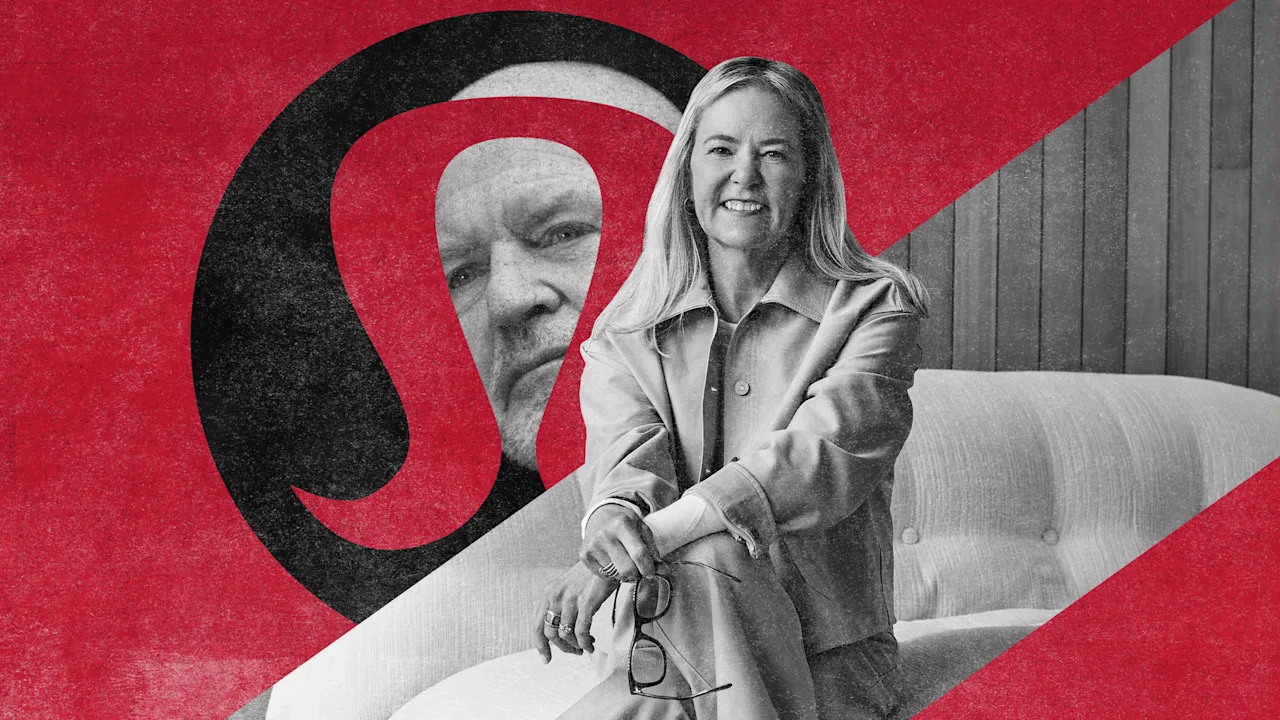
Wilson's track record is mixed—he once had to apologize for blaming pilling on women's thighs, a comment widely seen as body shaming, and last year he questioned the company's diversity and inclusion policies. Yet his instincts about the brand's need for a bold, authentic reinvention may be spot-on. What Lululemon requires now is the kind of dramatic, culturally savvy revival that Gap has pulled off in recent years.
Lululemon's Leadership Turmoil
The O'Neill Appointment and Market Reaction
Heidi O'Neill's appointment ended a months-long search to replace former CEO Calvin McDonald, who left abruptly in 2025 after six years at the helm. McDonald's tenure had been marked by strong growth, but by the end, sales were slowing and the company faced increasing competition. The board's choice of O'Neill—a Nike veteran with deep experience in wholesale and global markets—was intended to bring stability. Instead, it sparked a sell-off. Investors worried that O'Neill would lean too heavily on the Nike formula, which they saw as ill-suited to Lululemon's premium, community-driven ethos.
Chip Wilson's Public Critique
Enter Chip Wilson, the founder who left the company in 2005 but has never fully stepped away. He had already made clear his disapproval of McDonald's leadership. In a LinkedIn post following O'Neill's appointment, Wilson argued that the board should have sought a true innovator, not a corporate insider. While his past comments have drawn criticism—such as his remarks on body shaming and DEI—his underlying point resonates: Lululemon needs a leader who can disrupt the status quo from within.
Wilson still holds considerable sway as the largest shareholder, and his words carry weight. But the real lesson for Lululemon may lie elsewhere, in the playbook of a struggling legacy brand that found its way back through creativity and collaboration.
The Gap Turnaround Blueprint
Mark Breitbard: A Company Insider with Deep Knowledge
Gap's revival is a case study in brand revitalization. When Mark Breitbard took over as president and CEO of the Gap brand in 2020, the company was in deep trouble. Too many unprofitable stores, bloated inventory, and heavy discounting had eroded margins and brand value. Breitbard was no outsider: he had worked at Old Navy and Gap from 2009 to 2013, then returned in 2017 to lead Banana Republic. This deep understanding of the company's DNA proved crucial.
Hit Marketing Campaigns and High-Fashion Collaborations
Breitbard's strategy focused on reenergizing the brand through bold marketing and partnerships. Over the past two years, Gap has launched seasonally successful campaigns featuring artists like Young Miko, Troye Sivan, and the global girl group Katseye. The GapStudio line, led by creative director Zac Posen, brought high-fashion red-carpet glamour to the brand, dressing celebrities such as Timothée Chalamet and Anne Hathaway. Collaborations with Béis, Dôen, and most recently Victoria Beckham have been huge hits, driving both buzz and sales.
This turnaround didn't happen overnight. As Breitbard noted, it required hard work, a clear vision, and an intimate knowledge of the brand's heritage. Gap has learned to balance its iconic American basics with modern, culturally relevant expressions.
Lessons for Lululemon
What can Lululemon learn from Gap's journey? First, authentic leadership matters. Breitbard's long history with Gap gave him the credibility to make tough decisions, such as closing underperforming stores and reducing inventory. Lululemon's new CEO, whether O'Neill or another, will need a similar depth of understanding of the brand's unique culture and customer base.
Second, bold creative risks pay off. Gap's campaigns and collaborations with artists and designers reinvigorated its image without losing its core identity. Lululemon, known originally for yoga apparel, has expanded into running, training, and casual wear. To reignite growth, it must find fresh ways to engage consumers—perhaps through unexpected partnerships or a reinvention of its in-store experience.
Finally, founders aren't always wrong. While Chip Wilson's public comments have sometimes been tone-deaf, his insistence on visionary leadership highlights a fundamental truth: Lululemon cannot afford to become just another premium sportswear brand. It needs a moment of creative rebellion, much like Gap's recent renaissance.
The path forward is not about copying Nike or any other competitor. It's about rediscovering the audacity that made Lululemon a phenomenon in the first place. If the board and new CEO can channel that spirit—drawing lessons from Gap's hard-won comeback—Lululemon may yet find its own "Gap moment."