4 Revolutionary Web Development Techniques You Need to Know: From Canvas HTML to E-Ink OS
Explore four cutting-edge web dev techniques: HTML-in-Canvas rendering, hexagonal map analytics, a web-based e-ink OS, and CSS image source swapping.
Welcome to our latest roundup of cutting-edge web development techniques. This edition dives into four fascinating innovations: rendering real HTML inside a canvas, building hexagonal map analytics, creating a web-based OS for e-ink devices, and swapping image sources with pure CSS. Each technique pushes the boundaries of what we can do with modern web technologies. Whether you're a front-end enthusiast or a full-stack developer, these concepts will spark new ideas for your projects. Let's explore them one by one.
1. Rendering Real HTML Inside Canvas with the New API
One of the most exciting recent developments is the HTML-in-Canvas API, which allows developers to render actual semantic HTML inside a <canvas> element while applying visual effects. Amit Sheen showcased how this API works, demonstrating that you can now embed interactive text, forms, and even media inside canvas—all while maintaining accessibility and semantics. His demos, available at the HiC Showroom, require Chrome 146 (with the chrome://flags/#canvas-draw-element flag enabled). This opens up new possibilities for data visualizations, games, and creative tools that need both canvas performance and HTML richness. The community is buzzing about potential use cases like live code previews or immersive storytelling where every element is customizable.
2. Building a Hexagonal World Map for Analytics
Ben Schwarz (no relation to the author) shared a fascinating retrospective on creating a hexagonal world map-analytics feature. While not a step-by-step tutorial, his article dives into the design constraints, inspiration, and engineering decisions behind the project. The map uses SVG and CSS to display global data in a uniform hex grid, solving the problem of uneven country sizes in traditional maps. This approach ensures each hexagon gets equal visual weight, making patterns easier to spot. Schwarz covers how they balanced aesthetics with performance, and why they chose a hex grid over other shapes. It’s a must-read for anyone interested in data visualization or creative map design. The takeaway: sometimes inspiration from games (like hex-based strategy titles) can lead to more intuitive analytics interfaces.
3. Rekindle: A Web-Based Operating System for E-Ink Devices
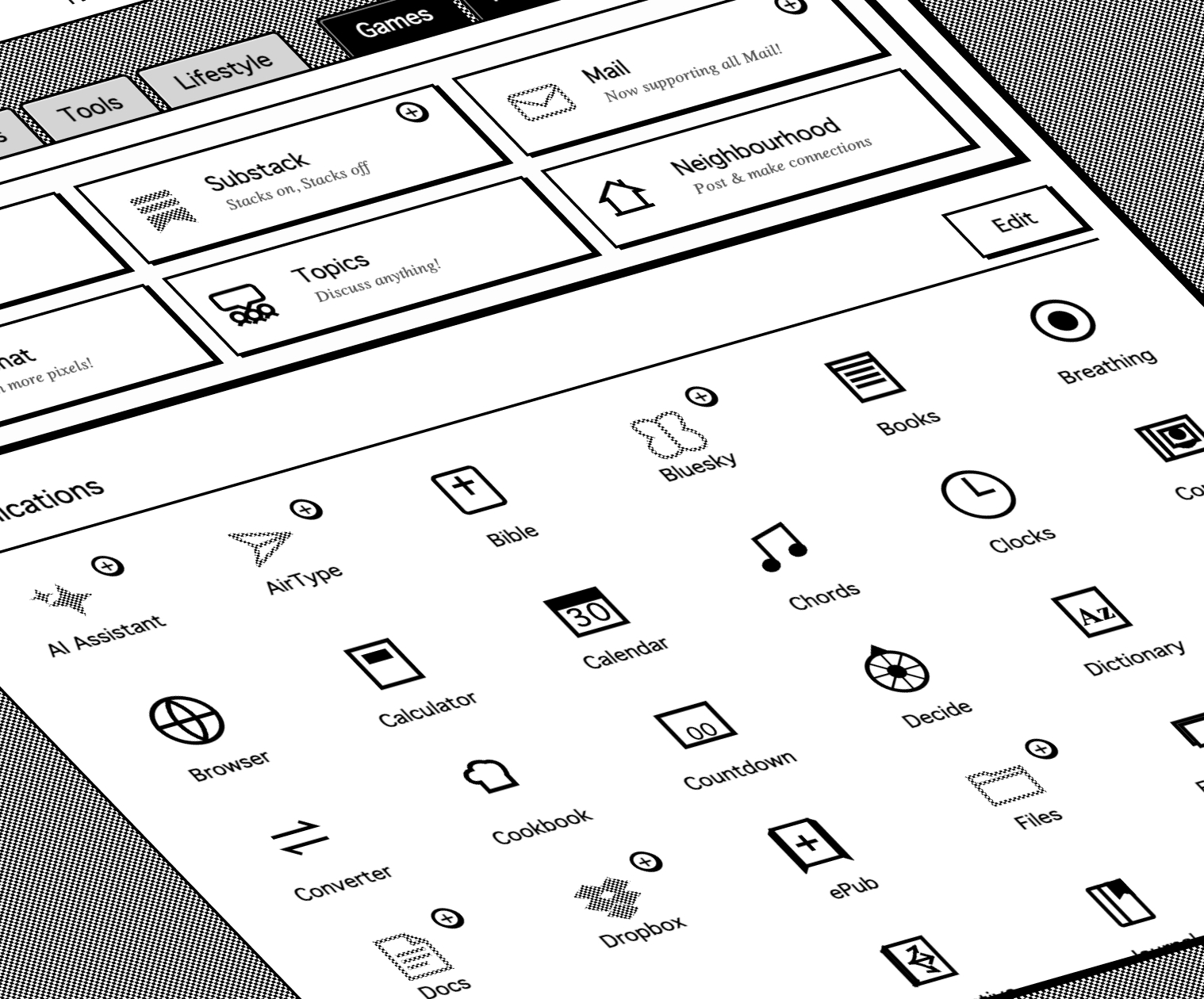
E-ink devices like Kindle, Kobo, and Boox are known for their low power and limited features. Enter Rekindle, a web-based operating system designed specifically for these screens. It’s built in black-and-white, uses no animations (to save battery), and includes an impressive array of apps—from note-taking to web browsing. The key insight is that while CSS Media Queries Level 5 offers properties for e-ink optimization (like prefers-color-scheme, update-frequency, and monochrome), many e-ink browsers are too low-powered to support them. Rekindle bypasses this by being a fully custom web app that works around these limitations. The question remains: will e-ink optimization gain traction, or will dedicated solutions like Rekindle always be necessary? With both browser vendors and device makers improving support, we may see a future where media queries finally unlock the full potential of e-ink displays. Either way, Rekindle is a brilliant showcase of adaptive design.

4. Swapping Image Sources with Pure CSS (The Content Property Trick)
Did you know you can change the src of an <img> element using only CSS? Jon discovered this nifty trick: by setting img { content: url(new-image.png) / "New alt text"; }, you can override the image source entirely—no JavaScript required. The content property, which has been Baseline for over 11 years, can also accept image-set() for responsive pixel-density swapping. This works across all modern browsers, as Jon highlighted in his mastodon post. While it’s not a replacement for proper srcset or picture elements, it’s incredibly handy for quick overrides, dynamic theming, or fallback strategies. The catch: it doesn’t change the src attribute in the DOM, so it’s purely visual. Still, it’s a clever tool to have in your belt—perfect for A/B testing or accessibility tweaks where you need to swap alt text along with the image.
These four innovations show how web development continues to evolve, blending creativity with practicality. From canvas rendering to e-ink OS design, each technique challenges us to think differently about what the browser can do. Keep experimenting, and stay tuned for more insights in our next roundup!